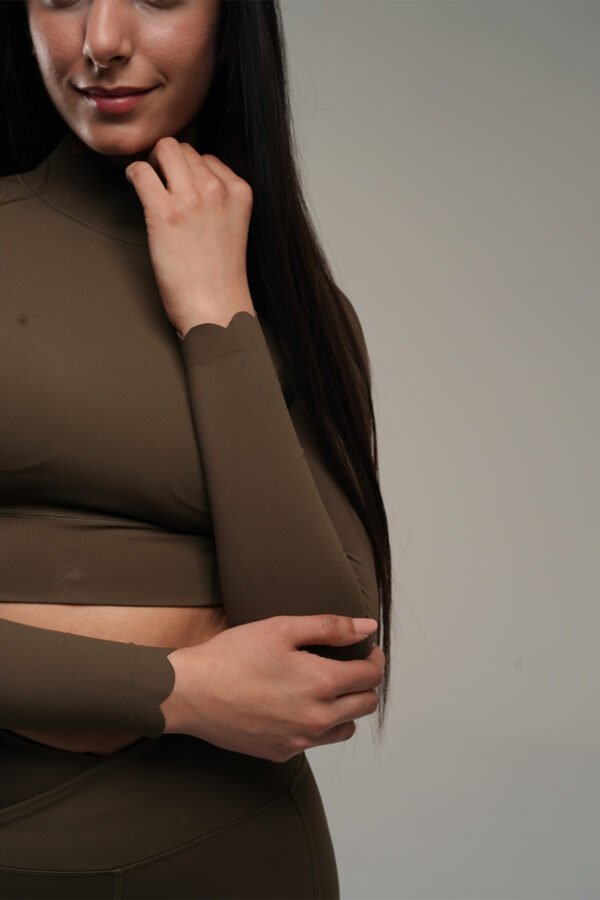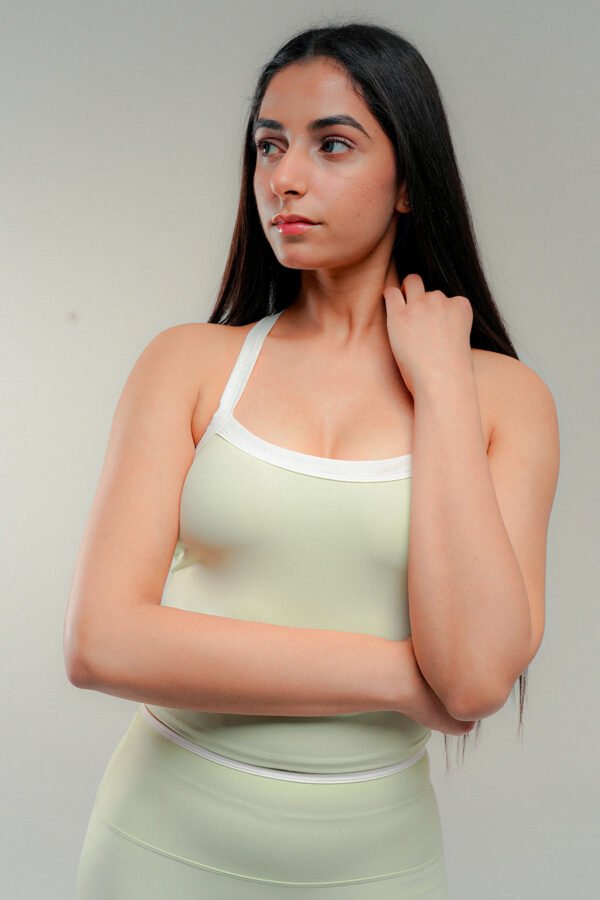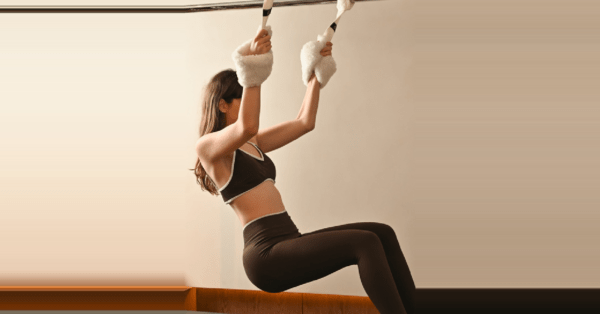


The modern Indian woman rarely lives a single kind of day. Her mornings start quiet, her afternoons stretch on longer than planned, and her evenings shift between ambition and unwinding — sometimes all before she’s changed her outfit once. A single day might carry her from an airport lounge to a gym floor to a brunch table, and somewhere along the way, her wardrobe needs to keep pace with her.
This is exactly the gap women’s athleisure wear was built to fill. A decade ago, “athleisure” meant a pair of leggings worn to the gym and nowhere else. Today, it’s become the backbone of the everyday wardrobe — worn to workouts, work calls, airport terminals, and everything in between.
So why does it actually work this well? Let’s get into it.
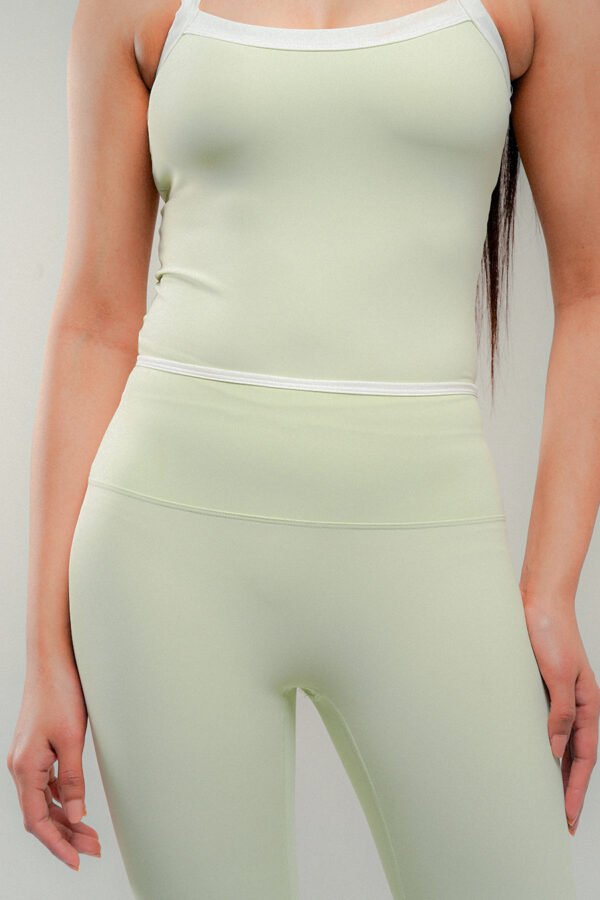
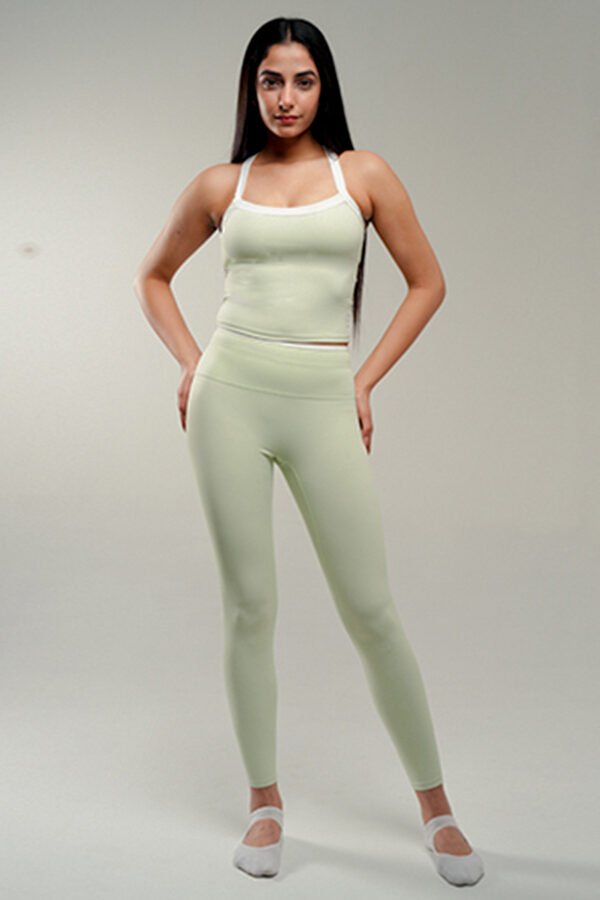
It’s a weird in-between category, if you really think about it. Half activewear, half regular clothes. You get the stretch and structure of gym gear, styled in a way you’d want to be seen in outside a gym too — leggings, joggers, co-ord sets, sports bras, relaxed tops. Fabric that moves with you instead of fighting you.
Running tights exist to survive a workout. Full stop, that’s the job. Athleisure leggings survive that same workout, then a coffee run, then three hours at your laptop — and you’re not thinking about any of it in between. That’s the difference, really. Not the fabric. The intent.
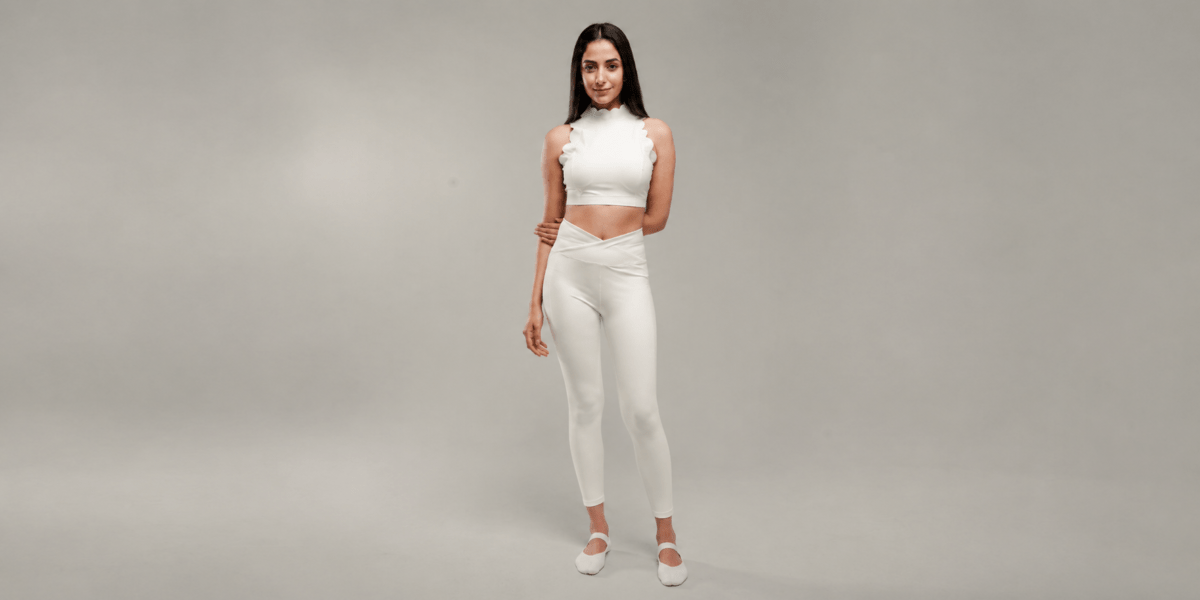
Nobody’s schedule fits in one box anymore. Train early. Jump on a call from a café by ten. Sit through a lunch meeting. Squeeze in a walk if there’s daylight left. Athleisure was basically built for that kind of chaos, whether or not anyone designing it said so out loud.
One outfit, multiple stops. That’s the trick. A good pair of leggings or a matching set goes from the gym floor to a coffee run to your desk and looks fine at every stop along the way. You’re not packing a change of clothes just to leave the house for the day.
Comfort stops being something you notice, too — which sounds small, but isn’t, once you’ve lived through the alternative. Most of these fabrics are nylon or spandex blends, chosen specifically because they stretch and then actually bounce back into shape. No tugging at your waistband four hours into a flight. No overheating halfway through a plank.
Decision fatigue is the underrated part of this whole thing. When a handful of pieces are built to work with each other, getting dressed stops being a puzzle you re-solve every morning. You’re picking from a system that already fits, not inventing something new from scratch each day — small thing, but it adds up over a month.
It’s also genuinely made for movement. Waistbands, shoulder seams, hems — the good stuff has real give in the right places. Doesn’t matter if you’re commuting, running errands, or sitting through back-to-back meetings without standing up once.
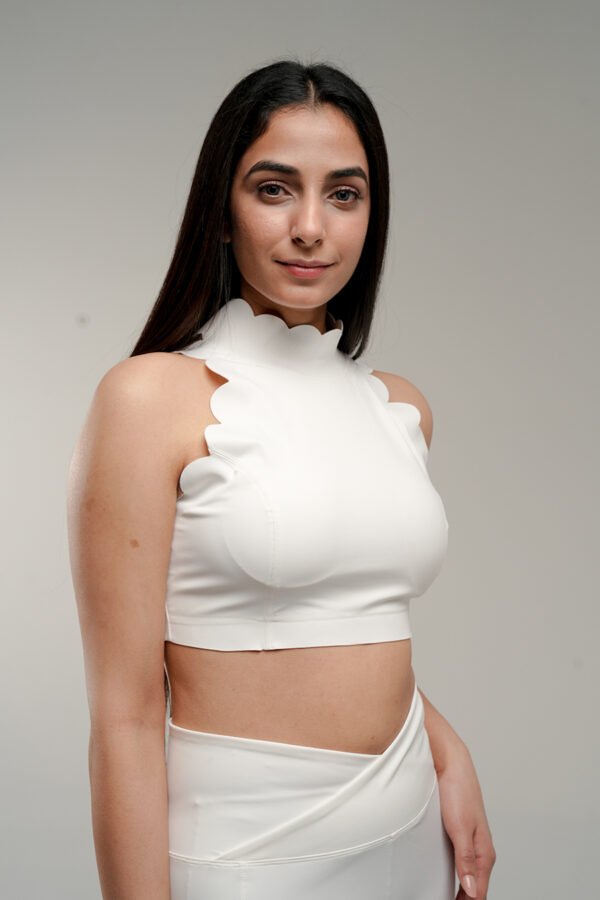
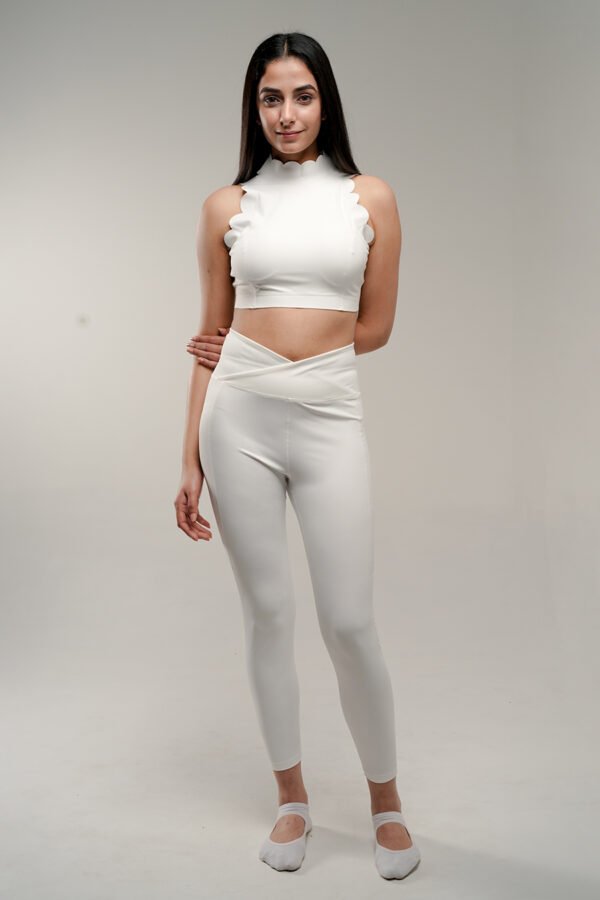
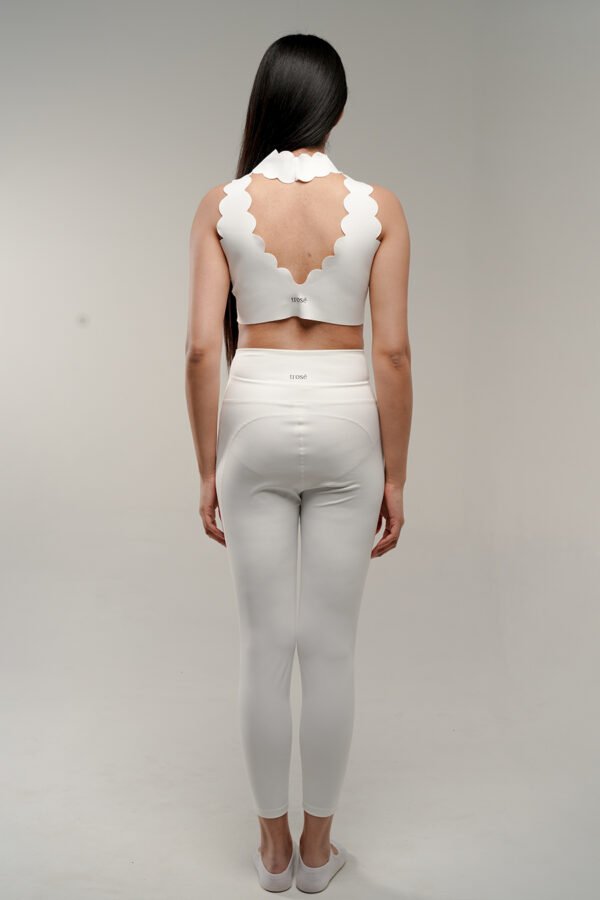
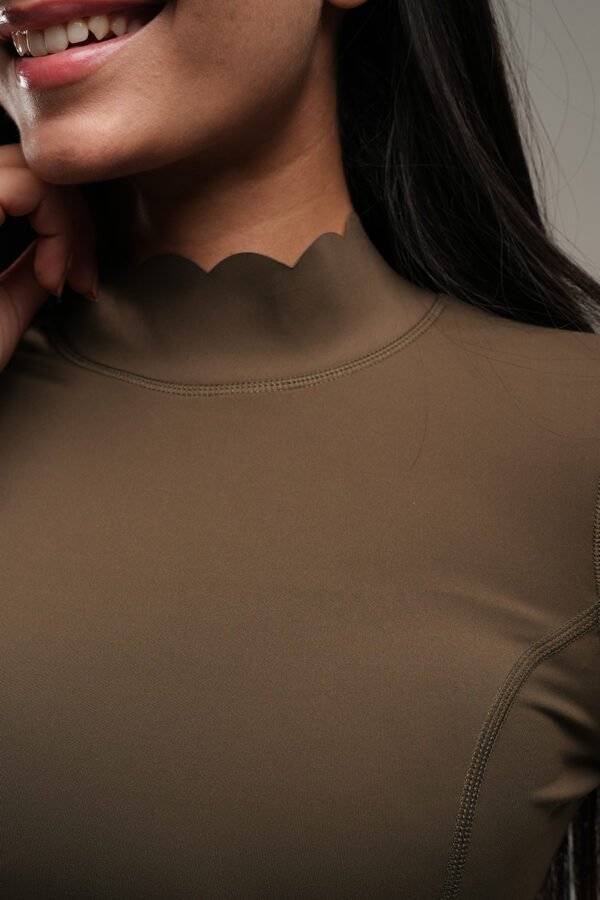
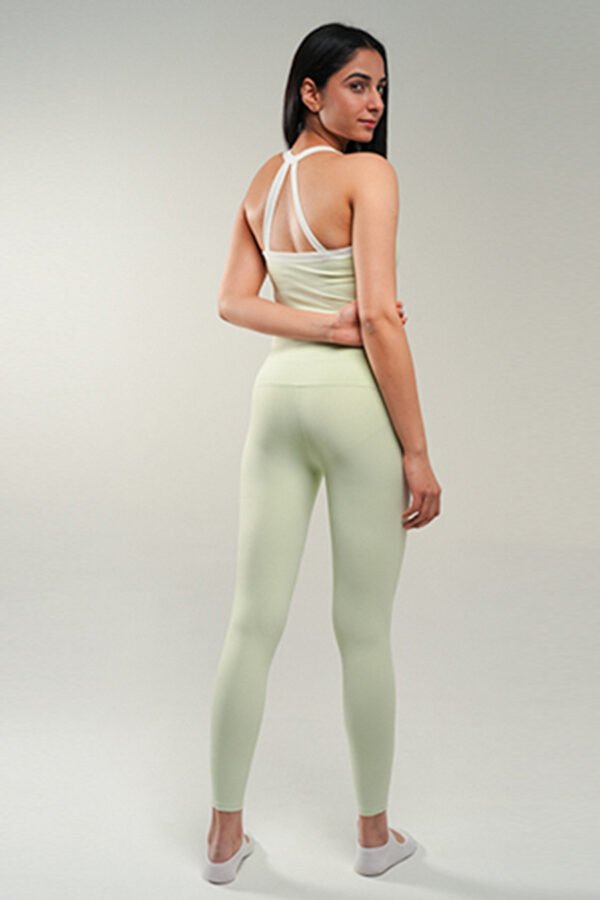
None of this means it looks sloppy, though. Good athleisure has shape to it. Ribbed detailing, cuts that were actually tailored rather than just cut cheap, colours somebody picked on purpose instead of defaulting to black — a decent matching set reads as an outfit. Not “whatever I grabbed on my way to the gym.”
A lot of athleisure looks identical hanging on a rack and then behaves completely differently after eight hours on your actual body.
Does the fabric snap back after stretching, or does it sag out by evening? How does it feel while you’re bending, reaching, sitting down — not just standing still in front of a mirror? Is it breathable enough for an Indian summer, because that one’s non-negotiable. Can it work as a standalone outfit and as a layer underneath something else? And are the seams clean — was the colour actually chosen, or is it just the default black everyone reaches for?
That last one sounds minor. It usually isn’t. It’s the whole difference between “gym clothes” and something you’d happily wear out for brunch.
You don’t need a separate wardrobe for every part of your schedule. A few small swaps do most of the work.
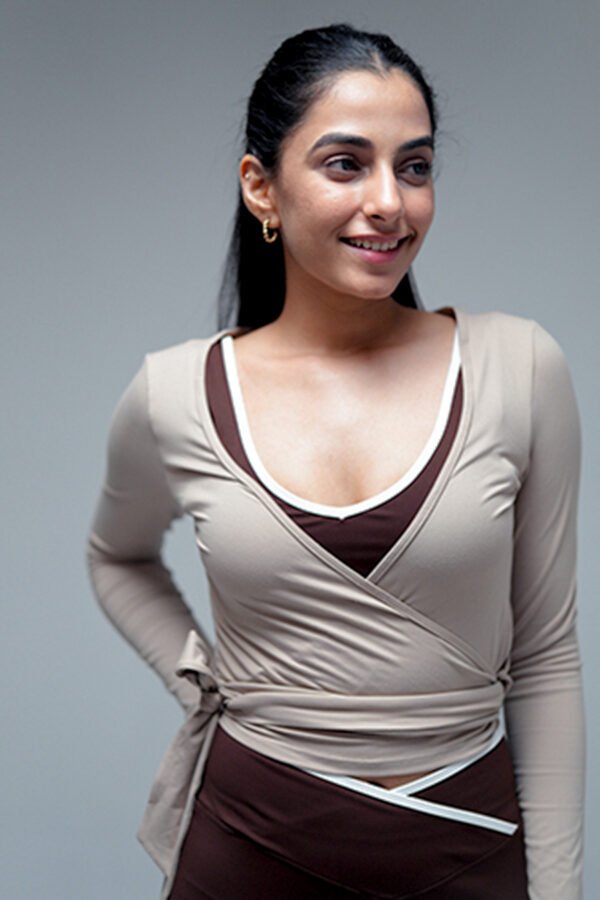
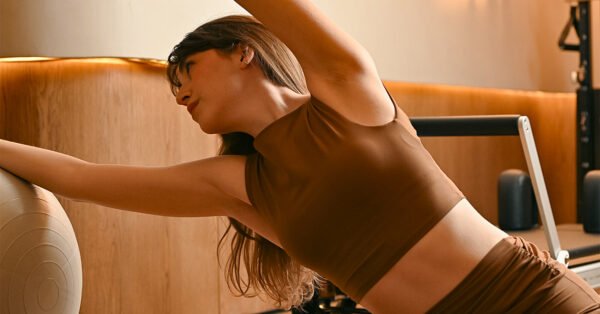
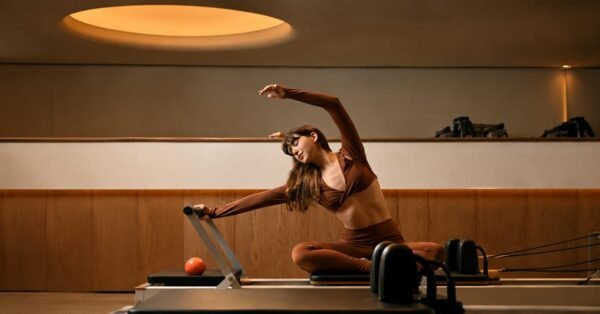
Mornings usually mean a structured sports bra and high-waist leggings, whether that’s an actual gym session or a Pilates class. By midday, if you’re working from a café or running errands, a co-ord set with a relaxed top and sneakers carries you through without looking like you just left a workout. Afternoons — especially if there’s travel or an airport involved — call for joggers or wide-leg pants with something soft to layer over the top, since comfort matters more than anything once you’re sitting for hours. And by evening, when it’s a casual brunch or catching up with friends, the same matching set can be dressed up with a few statement accessories and suddenly reads as an actual outfit, not gymwear.
Footwear and accessories carry most of that transition, not a full outfit change. Swap sneakers for flats, add a layer, change the jewellery. That’s usually all it takes to go from “workout” to “weekend” without giving it much thought.
Mostly, yeah. Stretch fabric and forgiving cuts mean athleisure tends to sit well across a wide range of body types — as long as you’re picking the right fit for your shape. Fitted versus relaxed, high-rise versus mid-rise. That’s where an actual size guide earns its keep, rather than just guessing.
If your closet still treats “gym clothes” and “everyday clothes” as two different worlds, it’s probably time to stop doing that. A small capsule — a couple of leggings, one or two co-ord sets, a versatile top or two — covers more of your week than you’d expect. Without much extra effort on your part.
That’s more or less the idea behind how Trosé designs its women’s athleisure wear: pieces meant to follow a woman through a messy, layered day, instead of clothing built for one occasion and shelved for the rest of the week.
What’s the difference between athleisure and regular activewear?
Activewear exists purely for performance during exercise. Athleisure is meant to move between a workout and everyday life — cafés, travel, casual plans — without dropping comfort or style along the way.
Can I actually wear athleisure to work or casual outings?
Yeah, pretty much. Co-ord sets, joggers, structured tops — these show up well beyond the gym now, for work-from-café days, errands, plans with friends.
What fabrics hold up best for everyday wear? Stretch blends, usually nylon or spandex, tend to perform best. They breathe, keep their shape, and stay comfortable across long stretches of movement.
How do I figure out the right size?
Fit shifts a fair bit between high-rise, mid-rise, fitted, and relaxed cuts, so a brand’s size guide is worth checking before you buy. And think about how something feels while you’re moving, not just standing still.
Does athleisure make sense for India’s climate?
For the most part, yes. Lightweight, breathable fabrics tend to hold up fine through the warmer months — though double-check fabric composition if you’re somewhere especially humid.
How many pieces do I actually need?
Fewer than you’d think. A couple of leggings, one or two co-ord sets, a couple of tops that mix well — that covers most of a busy week, since the whole point is restyling the same pieces rather than wearing something once and moving on.
Athleisure moved past the gym because it solves something real: clothing that keeps up with a day that won’t behave. Workout, work call, weekend brunch — the right pieces carry you through all of it without a wardrobe change or a trade-off on comfort.
If you’re rethinking your everyday wardrobe, treat athleisure as a foundation. Not a once-in-a-while category.